Welcome to Qingdao Jabetter New Material Technology Co., Ltd. Official Website!

The "Behind-the-Scenes Hero" of WPC Door Quality: Three Core Roles of Ca-Zn Stabilizers
Mar 17, 2026
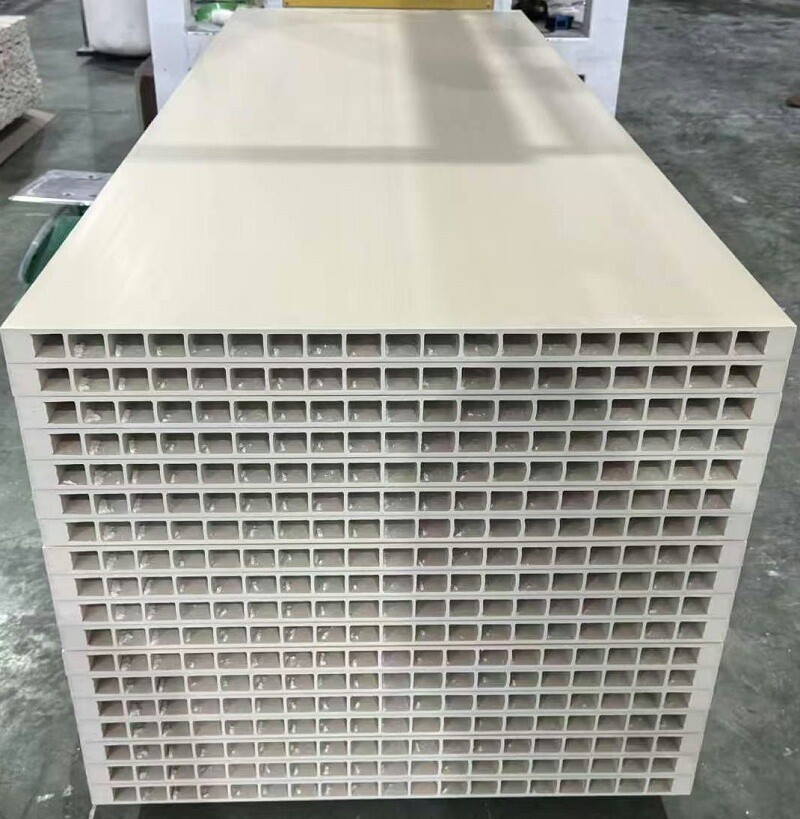
In the production of Wood-Plastic Composite (WPC) door panels, Calcium-Zinc (Ca-Zn) stabilizers may constitute only a small fraction of the formula, yet they are decisive for the final product's success. Facing the complex environment of high-temperature extrusion and wood flour filling, they play three irreplaceable roles:
1. The "Color Shield" Against High Temperatures: Preventing Scorching and Discoloration
WPC door processing temperatures typically exceed 160°C. At this heat, PVC resin is prone to decomposition, releasing hydrogen chloride which causes the material to turn yellow or even burn black. Ca-Zn stabilizers rapidly capture and neutralize these acidic gases, cutting off the degradation chain reaction.
2. The "Sculptor" of Core Structure: Solving Cell Defects
This is often the most headache-inducing环节 (link/step) for manufacturers. If the lubrication system of the stabilizer is unbalanced, it leads to insufficient melt strength, causing foaming gases to escape or merge, resulting in large core cells, collapse, or unevenness.
3. The "Green Passport" for Market Access: Environmental Compliance
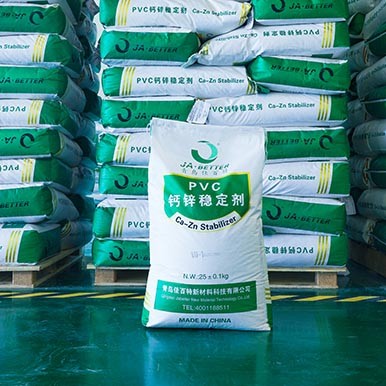
With rising global environmental standards for interior building materials, traditional lead-based stabilizers have been phased out. Ca-Zn stabilizers are made from non-toxic raw materials and are heavy-metal free.
? Expert Advice: Great Products Need Great Processes
The effectiveness of Ca-Zn stabilizers is highly dependent on specific production processes (e.g., temperature settings, screw speed) and raw material batches. Simply switching additives often does not yield immediate results.
We strongly recommend: While selecting high-quality Ca-Zn stabilizers, engage senior engineers for on-site commissioning. By fine-tuning the match between the formula and process parameters, you can truly overcome the two stubborn problems of "core cell defects" and "insufficient strength," achieving a leap from "successful trial runs" to "stable mass production."
☁Web:http://www.jbtpvc.com/
☎WhatsApp:008618963029813
✉E-mail: info@Jabetter.com
#PVC_stabilizer #PVC_foaming_agent#PVC_processing_aid#WPC_additive#PVC_lubricant#Chemicals#Chemical_auxiliary_agent#PVC#PVC_additives
#PVC_stabilizer #PVC_foaming_agent#PVC_processing_aid#WPC_additive#PVC_lubricant#Chemicals#Chemical_auxiliary_agent#PVC#PVC_additives
